Service
Concrete Repairs, Resurfacing and Sealing
Not every tired driveway needs to be ripped out. Cracks, stains, flaking surfaces and faded colour can often be fixed, refreshed or protected for far less disruption than replacement. When concrete really is past saving, we'll say so plainly. Rowville Concrete arranges repairs, resurfacing, sealing and specialist concrete services across Rowville and the surrounding suburbs.
Repair and resurfacing services
Crack repairs
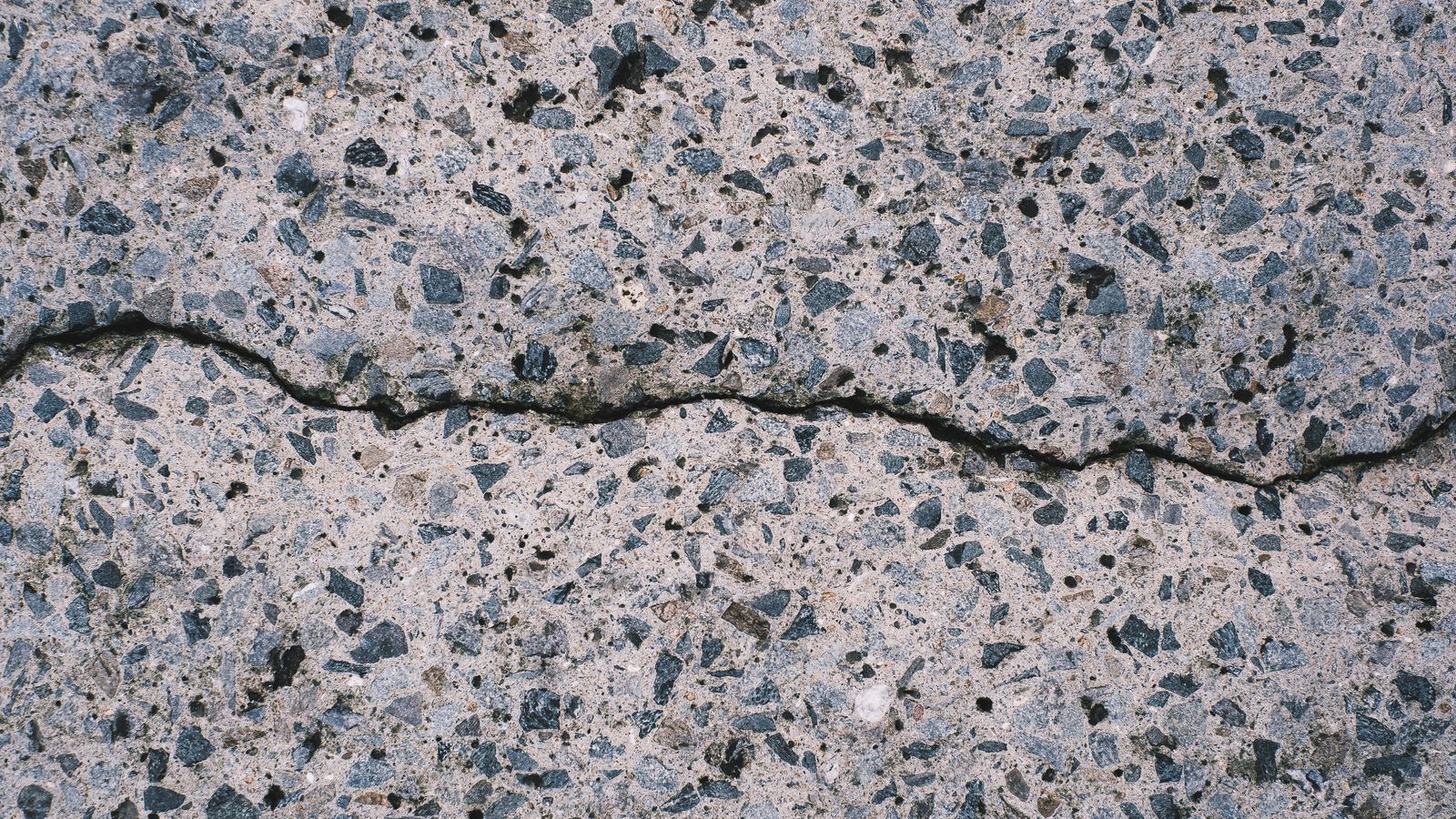
Hairline shrinkage cracks are common and usually cosmetic. Wider cracks, cracks with one side higher than the other, or cracks that keep growing can point to movement below the slab. Depending on the cause, repairs include routing and filling with flexible sealant, epoxy injection for structural cracks, or cutting out and replacing a section.
Concrete crack repairs →Spalling and surface repairs
Spalling is when the top layer flakes or breaks away, sometimes exposing the stone or even the steel underneath. Causes include poor finishing, water damage, de-icing salts and corroding reinforcement. Small areas can be patched with repair mortars. Widespread spalling may call for a resurfacing overlay or replacement.
Spray-on resurfacing and overlays
A thin polymer-modified cement overlay is applied over sound, well-prepared existing concrete, then finished in a plain, coloured or patterned (stencil or spray-texture) look and sealed. It's a way to refresh a driveway, path or patio that is structurally fine but looks tired.
Concrete resurfacing →Concrete sealing and colour sealing
Sealers help protect against stains, oil, water and UV fading, and bring out the colour of exposed aggregate and coloured concrete. Clear sealers give a natural or wet-look finish. Tinted colour sealers can refresh faded coloured concrete. Anti-slip additives can go in for pool surrounds, sloping driveways and steps.
Concrete sealing →Pressure washing
High-pressure cleaning removes grime, moss, mould and loose material. It's the first step before sealing or resurfacing, and a good maintenance routine in its own right.
Grinding and polishing
Grinding removes trip lips at joints, high spots and old coatings, and prepares surfaces for new finishes. Grinding and polishing can also turn an existing internal slab, such as a garage, shed or living area, into a honed or polished floor.
Polished concrete →Concrete cutting and core drilling
- Saw-cutting: control joints in new slabs, cutting out damaged sections, and straight edges where old concrete meets new work
- Core drilling: neat round holes through slabs and walls for plumbing, drainage, electrical conduits and downpipes
Concrete scanning
Before cutting or coring into an existing slab, scanning can locate reinforcement, post-tensioning cables, conduits and pipes, reducing the risk of hitting something critical. On post-tensioned slabs, scanning before any penetration is essential.
Repair, resurface or replace?
A straight answer saves you money. Here's how we think about it:
| Condition | Usually suits |
|---|---|
| Sound slab, cosmetic cracks, stains or fading | Clean, repair cracks, seal or colour-seal |
| Sound slab, worn or ugly surface, no major movement | Spray-on resurfacing or overlay |
| Isolated broken or sunken section | Cut out and replace that section |
| Widespread cracking with level differences, heaving or sinking | Replacement, with the cause (often drainage or roots) addressed |
| Surface breaking up over large areas | Usually replacement |
An overlay bonds to what's underneath, so if the base is moving, cracks will come back through the new surface. That's why we assess the slab before recommending resurfacing. Driveway replacement →
Common causes of concrete damage
- Tree roots: lifting and cracking slabs, especially near street trees and large garden trees
- Poor drainage: water softening the ground beneath the slab or pooling on the surface
- Ground movement: Melbourne soils vary widely in how much they shrink and swell with moisture, even within a single soil type, according to published geotechnical research
- Missing or late control joints: leading to random cracking
- Thin or unreinforced original concrete: common in some older paths and driveways
- Heavy loads: trucks, trailers or skip bins on driveways not designed for them
Our process
- 01Assessment: look at the damage, its likely cause, and whether the slab is sound.
- 02Honest recommendation: repair, resurface, seal or replace, with a written, itemised quote.
- 03Preparation: pressure washing, grinding, crack routing and patching as needed. Good prep makes or breaks any repair or overlay.
- 04Repair or apply: fill, patch, overlay or seal to the manufacturer's system.
- 05Cure and hand-over: clear advice on when you can walk and drive on it again, plus care tips.
Looking after concrete between repairs
A little maintenance stretches the time between repairs:
- Sweep regularly and hose off leaf litter, which can stain coloured and sealed surfaces.
- Deal with oil drips and rust marks quickly, before they soak in.
- Keep downpipes and drains clear so water doesn't pool against or under slabs.
- Watch trees planted close to paths and driveways. Root barriers can help.
- Reseal on the schedule your sealer supplier recommends, and sooner on high-traffic areas.
- Avoid parking heavy trucks or skip bins on driveways that weren't built for them.
Local considerations
Many homes in our area were built during the post-war and later suburban expansion. Mountain Gate and Fairhills estates in Ferntree Gully date from around 1959, Knoxfield's estates from the 1960s, much of Glen Waverley from the 1950s to the 1970s, and Endeavour Hills from the mid-1970s. Driveways and paths from these eras can show their age through cracks, lifting from tree roots, and worn or stained surfaces. Many can be repaired or refreshed, while others are better replaced.
If a repair involves the council vehicle crossing (the section between the kerb and your property boundary), your council's permit rules may apply even for replacement work. Vehicle crossovers →
What affects your repair quote
- Type and extent of damage
- Area to be cleaned, repaired, resurfaced or sealed
- Preparation needed (grinding, crack routing, removal of old coatings)
- Chosen finish or sealer system
- Access and whether the area must stay usable during work
- Cutting, coring or scanning requirements
Repairs and resurfacing FAQs
Usually not completely. Filled cracks and patches can be colour-matched as closely as possible, but some difference normally shows. Resurfacing over the whole area gives a more uniform look.
It depends on the condition of the base, the preparation, traffic and maintenance. Resealing at the recommended interval helps.
Some sealers can be slippery when wet, especially on smooth finishes. Anti-slip additives are recommended for slopes, steps and pool areas.
It depends on the product and the weather. You'll get specific timing for your job before we start.
Scanning is recommended before cutting or coring existing slabs, and it's essential on post-tensioned slabs.
Related repair services
Concrete resurfacing → · Concrete sealing → · Crack repairs →
Repairs by suburb
We arrange repairs and resurfacing in Ferntree Gully, Boronia, Knoxfield, Glen Waverley, Dandenong North and all our service areas.
Request a repair or resurfacing quote
Send clear photos of the damage (one close-up and one wide shot) and the rough area. We'll tell you honestly whether to repair, resurface or replace.