Service
Exposed Aggregate Driveways
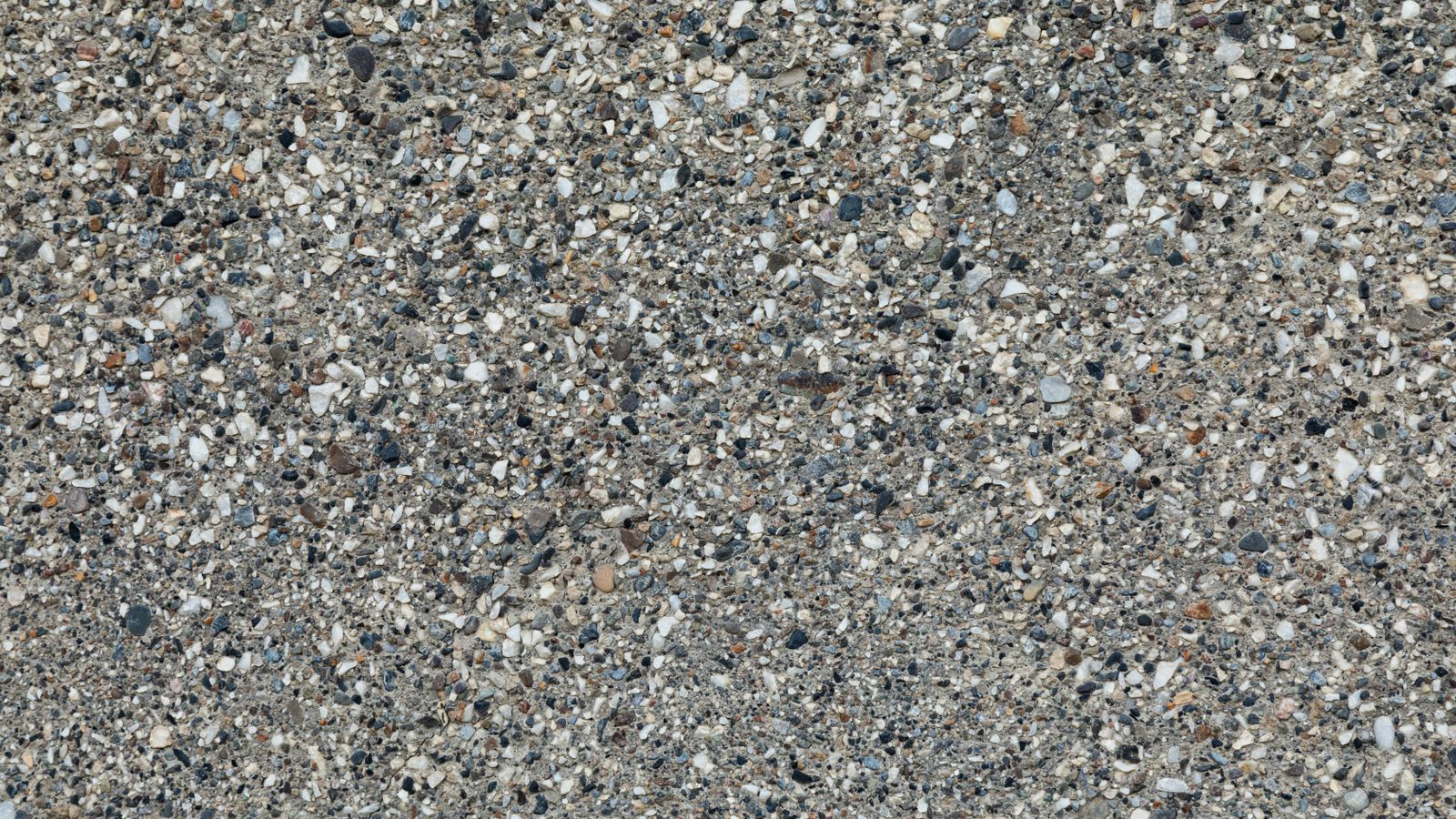
An exposed aggregate driveway shows off the natural stone inside the concrete instead of hiding it under a smooth grey skin. Once the pour has set just enough, the thin top layer of cement paste is washed away, leaving thousands of small pebbles sitting proud of the surface. You get a textured, hard-wearing finish that hides tyre marks and leaf stains better than plain concrete, and it suits both brick veneer homes from the 1980s and new rendered townhouses. Rowville Concrete quotes exposed aggregate driveways for homes in Rowville and the surrounding suburbs of Knox, Monash and Casey.
Why homeowners choose exposed aggregate
People usually come to exposed aggregate for one of three reasons. The first is looks: the stone gives the surface depth and colour variation that a broom finish can't match. The second is grip, because the textured surface gives tyres and shoes more to hold on to than a steel-trowelled slab, which helps on sloping driveways after rain. The third is forgiveness. A busy stone surface disguises the oil drips, tyre scuffs and dusty footprints that show up straight away on light grey concrete.
It isn't the right choice for everyone. The texture is rougher underfoot than a smooth finish, so if you often kneel on the driveway working on a car or push a wheelchair or pram over it every day, it's worth looking at the stone size carefully. Finer blends are smoother to walk on, while larger stones give a bolder texture.
Choosing the stone and colour
The look of an exposed aggregate driveway comes from three things working together: the stone blend, the colour of the cement matrix around it, and the sealer applied at the end.
- •Stone blend. Suppliers offer mixes of river pebble, quartz, granite and basalt in different sizes and tones, from creamy whites through to charcoal and rust.
- •Matrix colour. The cement between the stones can be left natural grey or tinted with oxide to warm it up, darken it or tie it to your roof and window frames.
- •Sealer. A clear sealer deepens the stone colours and makes cleaning easier. A satin or gloss sheen changes the look again, so it's worth seeing a sample before you decide.
We bring sample boards to the site visit so you can compare blends against your brickwork, render and garage door in natural light. What looks warm in a brochure can look quite different next to cream bricks on a grey winter morning.
How an exposed aggregate driveway is built
The early steps are the same as any quality driveway. The difference is in the finishing and the timing.
- 01Site look and measure. We check access for the concrete truck, where water currently runs, the height of the garage slab and how the new surface will meet the footpath or crossover.
- 02Excavation and base. Topsoil, old pavers or broken concrete are removed, and a compacted crushed-rock base is laid to suit the ground.
- 03Formwork and falls. Edges are formed to the planned levels so water runs away from the house and garage towards a drain, garden bed or the street, whichever the site allows.
- 04Reinforcement. Steel mesh is placed on bar chairs so it sits within the slab rather than on the ground.
- 05Pour and place. The concrete is poured, screeded and floated. Some methods seed extra stone into the surface. Others use a mix with the chosen aggregate already through it.
- 06Exposing the stone. At the right stage of the set, the surface paste is washed or brushed away to reveal the stone. Too early and stones can be dislodged; too late and they stay buried. Weather, temperature and the mix all affect when that moment arrives.
- 07Control joints. Joints are saw-cut or tooled to help the slab crack in straight lines where they're planned.
- 08Clean and seal. Once the concrete has cured enough, any cement haze is cleaned off and the sealer is applied.
Planning around the crossover
Most driveways meet a council vehicle crossing at the front boundary. The crossover itself sits on council land, and each council sets its own rules for how it's built and what finish is allowed. Some owners carry the exposed aggregate right to the kerb where the council accepts it. Others keep the crossover in the council's standard finish and start the decorative surface at the property line. We'll talk through the options for your council before anything is set out. Our page on vehicle crossovers explains the permit steps, and nature-strip aprons covers the section in between.
Looking after exposed aggregate
Exposed aggregate is low-maintenance but not no-maintenance. A regular sweep and an occasional hose keep grit from wearing the sealer. Over time the sealer weathers, the stone looks duller and the surface marks more easily. Resealing brings the colour back and helps protect the surface. How often that's needed depends on sun exposure, traffic and the product used. Our concrete sealing page covers cleaning and resealing in more detail.
Oil and rust from garden products are the most common stains. Wiping spills early makes a real difference, because a sealed surface resists staining for a while but won't hold out forever.
Exposed aggregate compared with other driveway finishes
If you're weighing up options, it helps to see exposed aggregate next to the alternatives:
- •A plain broom finish is simpler and suits long or utilitarian driveways. See our main driveways page.
- •A coloured driveway gives an even oxide tone without visible stone. See coloured concrete driveways.
- •Stencil or stamped patterns imitate pavers or stone. See stencil and stamped concrete.
Many homes mix finishes. For example, an exposed aggregate driveway might sit beside plain side paths, or be edged with a smooth border that frames the stone. For paths, patios and pool areas in the same stone, see exposed aggregate concrete.
Replacing an old driveway with exposed aggregate
A lot of exposed aggregate work replaces tired original driveways. If your existing slab is cracked, sunken or lifting at the joints, it usually needs to come out before a new surface goes down. A sound slab with nothing but stains may be a candidate for resurfacing instead. Our driveway replacement page explains how we assess that.
Where we quote
We quote exposed aggregate driveways across Rowville and nearby suburbs including Glen Waverley, Wheelers Hill, Scoresby, Ferntree Gully and Endeavour Hills. See every area we cover on our locations page.
Exposed aggregate driveway FAQs
The textured surface generally gives more grip than a smooth trowelled finish. The sealer can change that, though, as some high-gloss sealers make the surface slicker. An anti-slip additive can be mixed into the sealer on sloping driveways.
Yes. We bring samples to the site visit so you can see blends against your home. The final look also depends on the matrix colour and sealer, so it's worth seeing a sealed sample.
All concrete can crack. Planned control joints, a well-compacted base and correct reinforcement help keep cracking to the joints rather than across the slab. The busy surface also makes fine hairline cracks less noticeable.
It depends on your council's crossover requirements. Some councils specify a standard finish for the section on council land. We check this before setting out.
It varies with the mix and the weather. We'll give you specific timing for foot traffic and cars on the day of the pour. Keeping heavy vehicles off for longer helps the slab gain strength.
A sealer helps protect the surface and keep the stone looking rich. Expect to reseal from time to time. How often depends on sun, traffic and the product used.
Related services
Coloured concrete driveways → · Driveway replacement → · All driveway services →
Service areas
Rowville · Glen Waverley · Wheelers Hill · Scoresby · Ferntree Gully · Endeavour Hills · See all service areas →
Get a quote for an exposed aggregate driveway
Tell us about your driveway and send a few photos if you have them. We'll arrange a time to measure up, bring stone samples and give you a written quote with no obligation.