Service
Decorative Concrete Finishes
Concrete doesn't have to be plain grey. The same strong slab that carries your car can show off river pebbles, take on a warm charcoal or sandstone tone, carry a slate or cobblestone pattern, or be ground back to a smooth, honed surface. Rowville Concrete arranges decorative concrete for driveways, paths, patios, pool surrounds and indoor floors across Rowville and surrounding suburbs. Samples are shown on site, and every quote is written and itemised.
Decorative finishes we arrange
Exposed aggregate
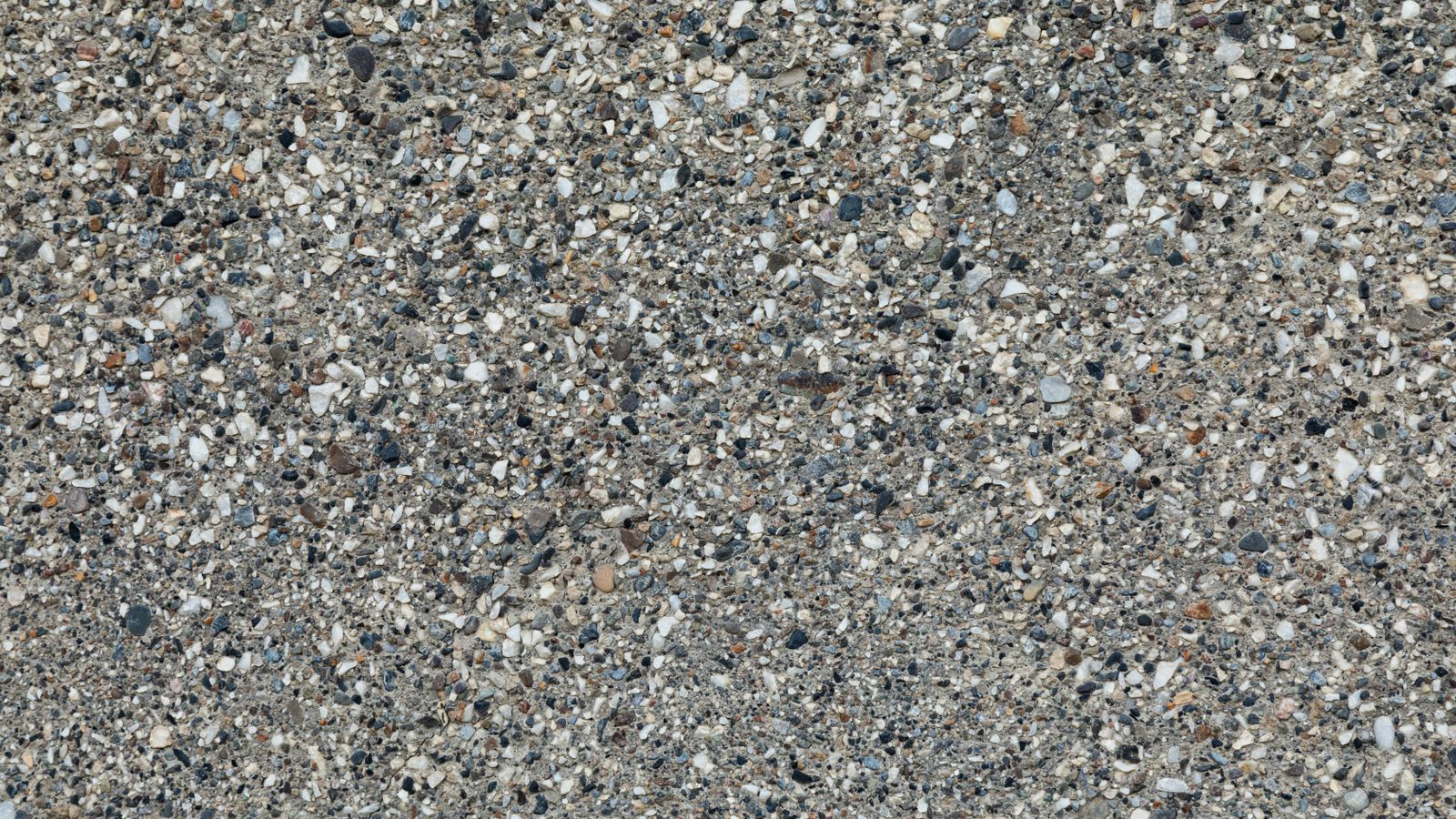
Exposed aggregate is concrete with its surface washed back at the right moment to reveal the stone in the mix. The result is textured, hard-wearing and good at hiding tyre marks and everyday dirt. Stone type, size and colour, plus the tint of the cement around it, create a wide range of looks, from subtle greys to warm, multi-coloured blends. It's a common choice for driveways, front paths and pool areas.
Exposed aggregate driveways → · Exposed aggregate for paths, patios and pools →
Coloured concrete
Oxide pigment mixed through the concrete gives consistent colour right through the slab, so small chips don't reveal grey underneath. Coloured concrete is often finished with a colour-enhancing seal. It suits modern homes where the driveway is meant to tie in with render, roof or window-frame colours.
Stencil concrete
A paper stencil pattern, such as brick, cobble, slate or tile, is laid on fresh concrete, and a coloured hardener is applied over it. When the stencil is lifted, the pattern shows as grout lines. Stencil systems can also be applied as an overlay on sound existing concrete, a popular way to refresh older driveways and paths.
Stamped (pattern-imprinted) concrete
Textured mats are pressed into the fresh surface to create a deeper, more natural-looking stone, slate or timber-plank texture, usually with a colour hardener and release agent for depth.
Polished, ground and honed concrete
Concrete can be ground to expose the aggregate, then honed or polished to anything from a matte, grippy finish to a high gloss. Indoors, polished concrete makes a durable floor for living areas, studios and garages. Outdoors, a honed finish with an anti-slip seal suits alfresco areas and pool surrounds.
Spray-on overlays
A thin, polymer-modified cement coating sprayed over sound concrete, often with a stencil or a texture, to refresh the look without replacing the slab. Overlays only work on concrete that's structurally sound.
Saw-cut jointing and banding
Joints are necessary, but they don't have to be random. Planned saw-cut patterns, such as diamonds, grids or borders, turn control joints into part of the design. Contrasting bands of colour or plain concrete can frame an exposed aggregate driveway or separate a patio from a path.
Sealing and colour sealing
Sealers protect decorative concrete from staining, fading and weathering, and can deepen colour or give a "wet look". Anti-slip additives are recommended for sloping driveways, steps and pool areas.
Permeable paving options
Where stormwater management is a priority, permeable options, such as permeable concrete or open-jointed systems, let some water soak through. They suit specific situations, and it's worth discussing drainage goals at the site look.
Choosing the right decorative finish
| If you want… | Consider |
|---|---|
| High street appeal with low visible dirt | Exposed aggregate with a sealer |
| A modern, colour-coordinated look | Coloured concrete with colour seal |
| A paver or slate look without loose pavers | Stencil or stamped concrete |
| A smooth indoor floor | Ground and polished concrete |
| To refresh sound old concrete | Stencil or spray-on overlay |
| A grippy pool surround | Exposed aggregate or honed concrete with anti-slip sealer |
Getting a decorative finish right
Decorative concrete leaves less room for error than plain concrete, and most problems trace back to timing and preparation.
- Samples in daylight: colours and stones look different on a screen, in a showroom and against your own brickwork. Ask to see samples on site.
- Consistent supply: large decorative pours need consistent mix supply and a plan for where each truck's concrete goes, to avoid visible batch differences.
- Timing the finish: exposed aggregate is washed at a specific stage of setting, too early and stone is lost, too late and the surface won't expose evenly. Stencil and stamp work have similar windows.
- Weather: heat, wind and rain all affect decorative finishes. A good concreter will reschedule rather than risk the finish.
- Joints and borders: planned early so they suit the design.
- Sealing and maintenance: decorative concrete looks best with periodic cleaning and resealing. Ask for the recommended maintenance cycle for your finish.
Mixing finishes on one property
You don't have to choose one finish for everything. A common approach is exposed aggregate for the driveway and front path, where street appeal matters, and a simple broom finish for side paths, bin areas and shed slabs, where practicality comes first. Borders in one finish can tie the two together so the property still looks planned.
Local considerations
Around Rowville, decorative concrete is often chosen as part of a street-appeal upgrade on established homes. Many houses in the area were built during estate booms from the 1970s to the 2000s, so original driveways are reaching the end of their life. On sloping blocks in the foothill suburbs and in Endeavour Hills, grip matters as much as looks. Discuss texture and anti-slip options for steep driveways and steps. Where the work includes the council crossover, some councils set construction standards for the crossover section, so a decorative finish may need to stop at the property boundary. Your council's requirements are checked at the quote stage.
What affects your decorative quote
- Area, access and whether old concrete must be removed
- Finish type (exposed, coloured, stencil, stamped, polished)
- Stone, oxide and pattern choices
- Borders, bands and saw-cut designs
- Sealer type and anti-slip additives
- Base, reinforcement and drainage needs
- Council crossover requirements
Decorative concrete FAQs
Both can last a long time when well built and maintained. Exposed aggregate's stone surface is very hard-wearing. Coloured concrete relies on the sealer to keep colour looking fresh, so resealing matters more.
Smooth, highly sealed surfaces can be slippery when wet. For driveways on slopes, steps and pool areas, choose textured finishes and ask for anti-slip additives in the sealer.
Often, if the existing concrete is sound. A stencil overlay is applied over a prepared surface. Cracked, sunken or lifting concrete should be repaired or replaced first.
It depends on the sealer, traffic and sun exposure. Ask for the manufacturer's recommended resealing interval for your finish.
That's one of its strengths. Bring colour samples of your brick, render or roof to the site look, and choose stone and oxide against them.
Related decorative concrete services
Exposed aggregate concrete → · Polished & honed concrete → · Stencil & stamped concrete →
Decorative concrete by suburb
Exposed aggregate and colour upgrades are popular in Glen Waverley, Wheelers Hill, Lysterfield and Wantirna South. Resurfacing and stencil refreshes are often asked about in Boronia and Endeavour Hills.
Request a decorative concrete quote
Send photos of your home's facade and the area to be concreted, plus any finishes you like. We'll bring samples to the site look and send a written, itemised quote.